St John’s River Kayak Trip: March 4th – March 7th 2019
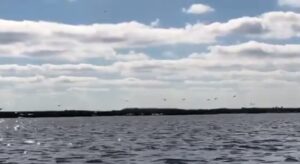
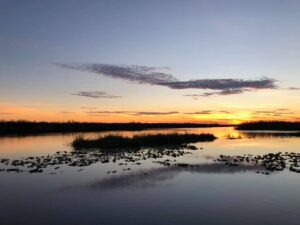
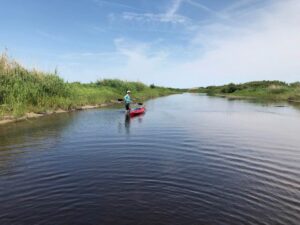
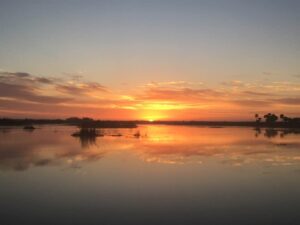
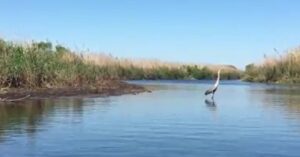
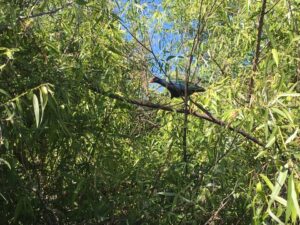
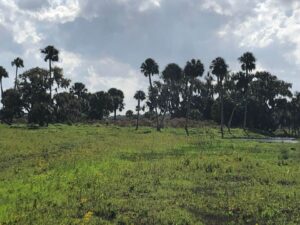
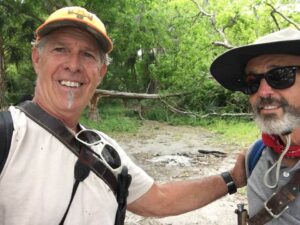
St John’s River Kayak Trip: March 4th – March 7th 2019 From: Lake Poinsett To: Lake HarneyDistance: 44 milesTemperature: Low 40’s to mid-70’s Depart Lone Cabbage 10:20 to Possum Bluff 2:00. Possum Bluff to Long Bluff at Tosohatchee Wildlife Management Area 3:35. The first day’s journey was uneventful other than the profound peace and solitude that always beckons. We stopped along the way at Dead Cow Mound an embankment of sorts either from a bridge crossing or just a place to forge the river long before any of the East West corridors. What looks like an old road bed heads east to Sharps and west toward Wewahotee. There were precious few places to cross the Saint John’s in the 1800’s, whether a bridge across or a forge I believe this was one crossing. We set up camp the first night directly across from an old dilapidated shelter (Catfish Hotel) No sooner did we set up camp when a couple, a father and daughter from Taiwan hiked over, from the middle of nowhere, to see us and gain some information on the area. He was a photographer and wanted to get some wildlife shots. Although no gators were to be seen they were a delightful pair. We invited them to stay awhile and Jim played a tune for them on his flute. You never know what a day will bring. Other than hearing and later on that night seeing a Screech Owl the first night was quiet with the exception of a curious range bull who came up to camp to check us out. We left the next morning with threatening clouds overhead and headed toward Lake Cone, about 12 miles. By 9:00 the chilling rains were on us. We put on our rain gear and 3 hours later we paddled our way to the bridge at highway 50. There was nothing dry for a fire so we were damp and cold. By 12:30 the front had passed along with clearer skies and colder weather. I had changed into some dry clothes and we were once again on our way to Lake Cone and ultimately to our second night camp site at Bear Island. With up to a 5 mile wide flood plain and tens of thousands of wild conversation lands along her sides the Saint John’s conceals her high ground and her secrets. By 4:30 we made it to Bear Island a native Indian midden probably from the Tuscana tribe dating back 6 to 10,000 years ago. Words cannot describe the paddle thru or the sacred ground now under our feet. With a roaring fire the wet and cold from just hours before melted into Zen. With clear skies it was our coldest night. The next morning brought us a deafening still until a lone cardinal broke the silence. An orange sun scattered its first light across this magical savannah and day 3 was upon us. After 2 long days paddling our third day would be less to travel. We stayed at Bear most the morning hiking the island looking for exposed pottery pieces. There are a quite a few sour orange trees scattering the island and the Saint John’s from seeds brought hundreds of year’s age by the Spanish. Each Spanish soldier was required to bring 100 orange seeds to the new world. Sour orange was their choice. We left at 10:20 and headed toward our last nights camp at Heifer Mound, about 6 miles. The day was stunningly clear and cold, mid 40’s but with full sun it was perfect. The silence was telling with only the sound of nature and our paddles dipping into the still waters. With time on our hands we decided to check out two of the creeks from the Bronson State Forest that empty into the S.J.’s, Christmas and Buscombe. Although the paddles up both were rewarding, with a cypress forest along both sides of Christmas they both had long ago been diked. Disappointed we headed toward our final night camp at Heifer. We were in for another cold night at Heifer mound and with a north wind we camped on the south side rather than the birds eye view on the top, about 10’. During high water Heifer would be a tiny island. There are no trees on Heifer but Saddle mound a quarter mile west is adorned with large Oaks and Palms. Although we had carried wood with us from Bear Island there was ample wood at Sable for the night’s fire. The water marks on the trees at Sable showed the river another 8’ or more during extreme weather events making it an island as well. We woke to a wet morning as our tents were soaked by the dew but the sunrise over the Saint John’s that morning would have been worth the trip alone. We packed up and by 8:30 we were on our way another 4 hours to Harney and journey’s end. The last day’s paddle was by far the best birding day with scores of Rosetta Spoonbills mostly feeding along with Bald Eagles and Osprey, White Pelicans, Great Blues, Great Egrets, Cormorants, Little Blue and Green Herons, Laughing Gulls, Royal and Least Terns a few Night Herons. The Black Skimmers Snowy Egrets and Limpkins were few to none.The Saint John’s beauty and solitude is uncommon. The weather too hot or too cold, too much rain or not enough, mosquitoes at times where it’s hard to breathe, dangerous lightening, wind generated waves crashing over the bow. All this and more a price the Saint John’s demands to share her ancient secrets and waters. With my good friends Jim Durocher and Ernie Green.This trip is dedicated to Rear Admiral William K. Young. This good man this sailor has answered his last ship’s bell. He has run to his last General Quarters. This good man this sailor can now stand down, another sailor has taken his watch. May you have fair winds and following seas and long may